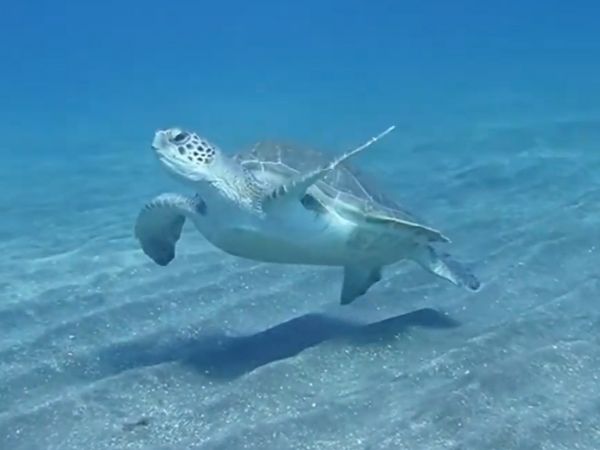
There’s something magical about the moment a sea turtle appears beneath you, gliding silently through the crystal-clear waters of the Atlantic.
It doesn’t matter if it’s your first time or your twentieth—seeing turtles in Tenerife connects you with the essence of the wild.
And in 2025, with more travelers seeking authentic and sustainable adventures, this kind of encounter with marine life has become a must. But… where can you see turtles in Tenerife? Let’s break it down for you — and spoiler alert: the first spot is unbeatable.
🥇 1. Palm-Mar: the best place to swim with turtles in Tenerife
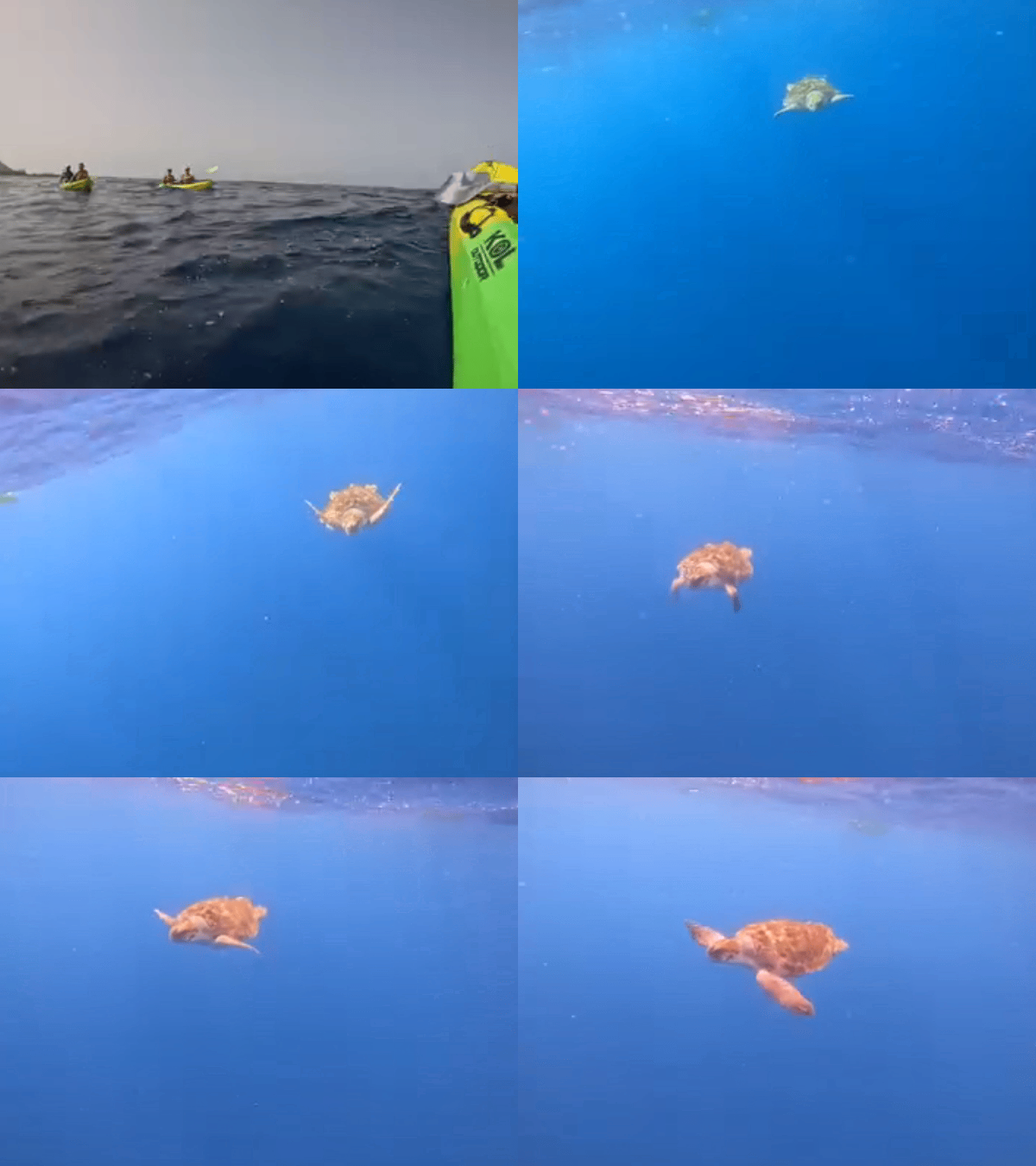
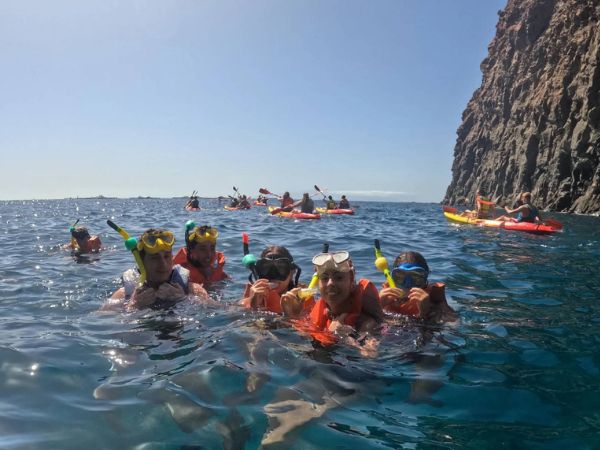
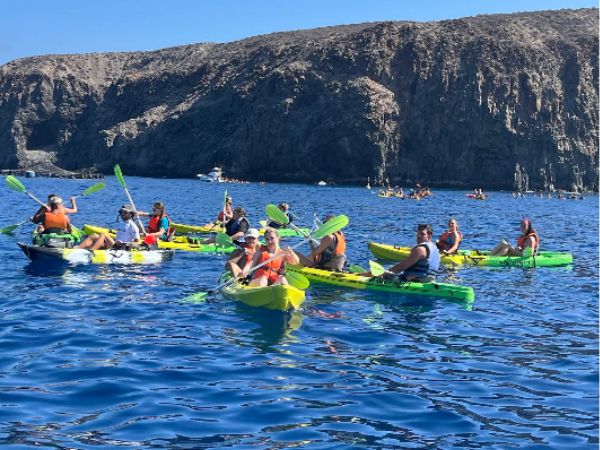
If we could give you just one recommendation, it would be this: come to Palm-Mar.
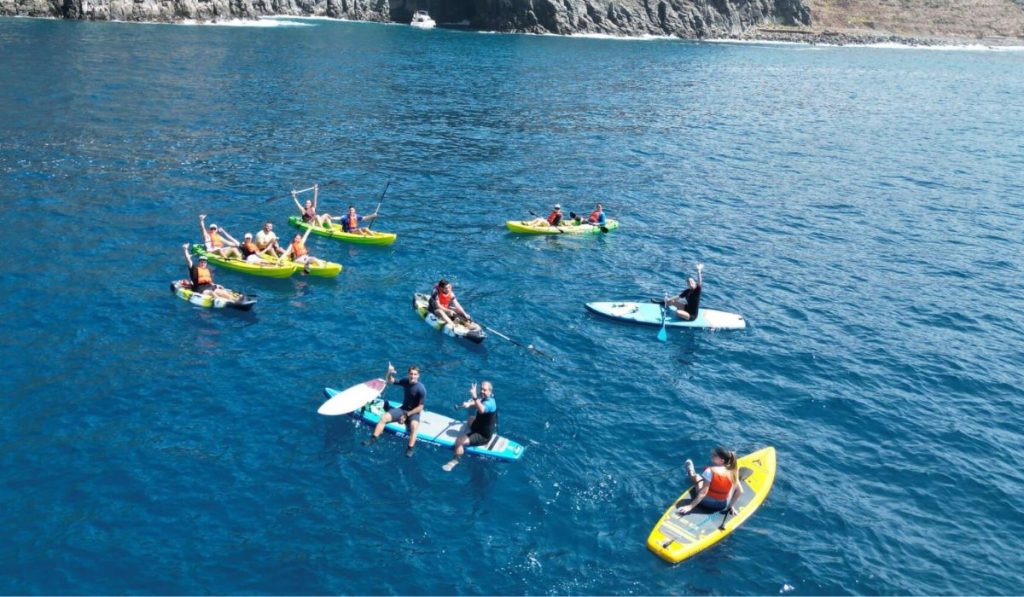
Just a few minutes from Los Cristianos, this small corner in the south of Tenerife is home to green turtles and occasionally loggerhead turtles. But the best part is how you can see them: paddling by kayak along the volcanic coast, surrounded by cliffs, silence, and open sea.
They call it Turtle Bay, and for good reason. The waters here are usually calm and shallow — perfect for snorkeling. On guided kayak and snorkel tours (like the ones departing from kayakpalmmar.com), you can spot turtles up close, without disturbing them, swimming peacefully as they feed on algae or surface for air.
What’s more, it’s a place away from mass tourism, which makes the encounter feel even more special — almost intimate.
🐢 Book online and experience it firsthand 👇
🐢 2. El Puertito de Adeje (Armeñime): snorkeling spot
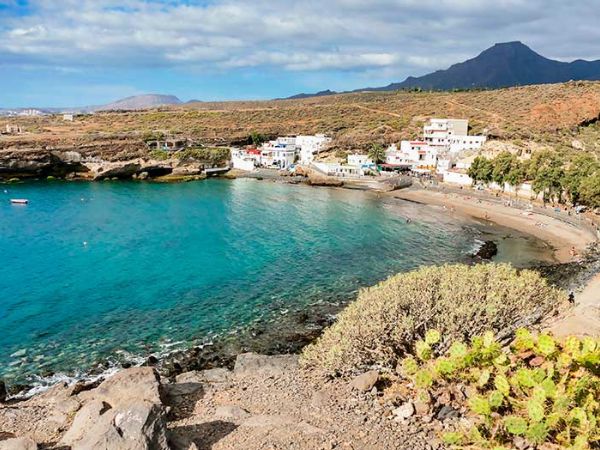
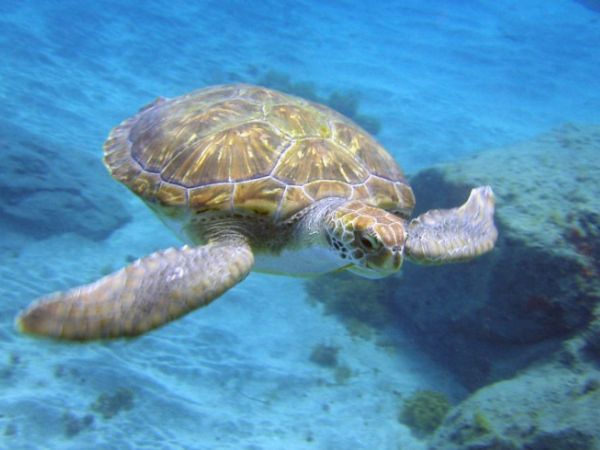
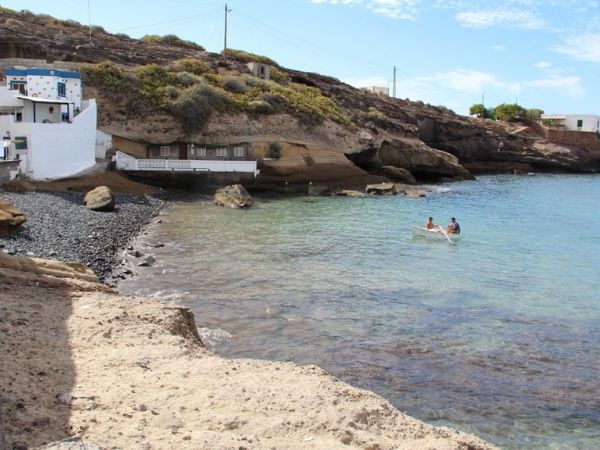
For years, this was one of the most popular places to see wild turtles, although tourism pressure affected the marine life considerably. Authorities have worked recently to restore the balance, and now, if you’re lucky, you might still see some turtles in the area — especially while snorkeling from shore.
If you visit, be respectful: don’t touch or chase the turtles if you’re lucky enough to see one. Also, avoid entering the water during peak times.
🐢 3. Los Cristianos (boat excursions)
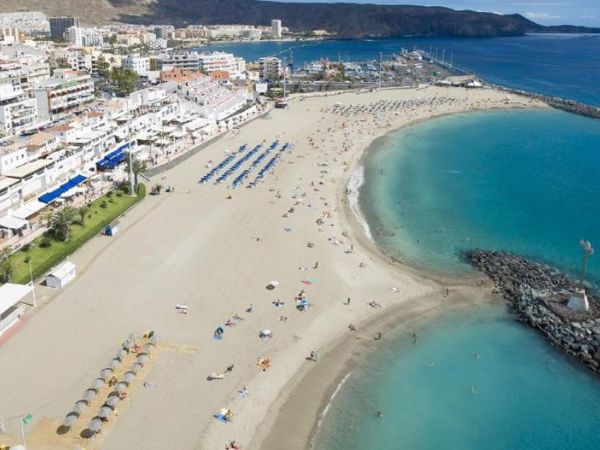
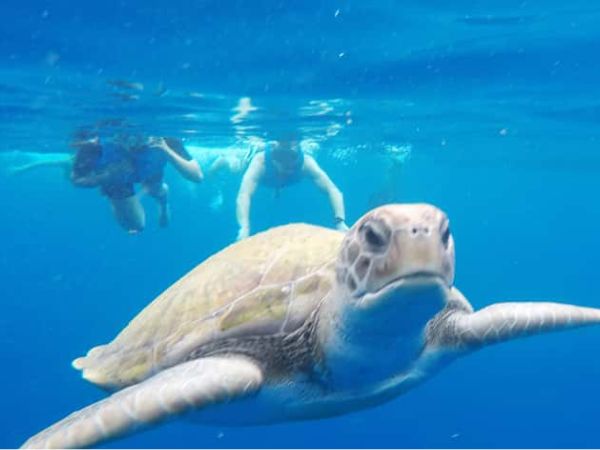
Another option is to join a boat tour from the harbor of Los Cristianos. While the focus is usually on dolphin watching (since they’re also residents here), it’s not uncommon to spot turtles near the coast — especially on clear, sunny days.
Some companies offer glass-bottom boats or trips that include a swimming stop. It’s a more comfortable experience, ideal for those who don’t want to paddle or swim too much.
🐢 4. Playa de Abades (east Tenerife)
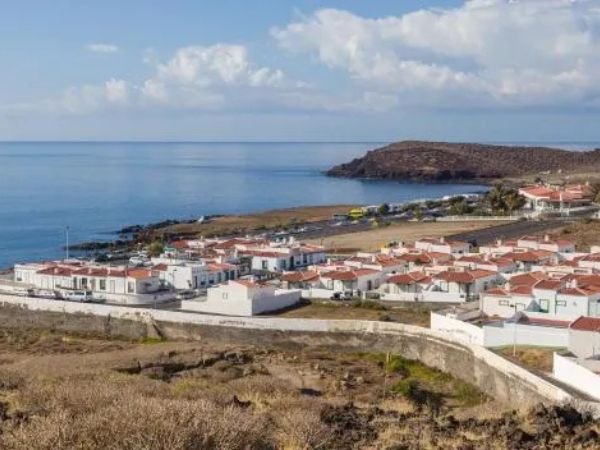
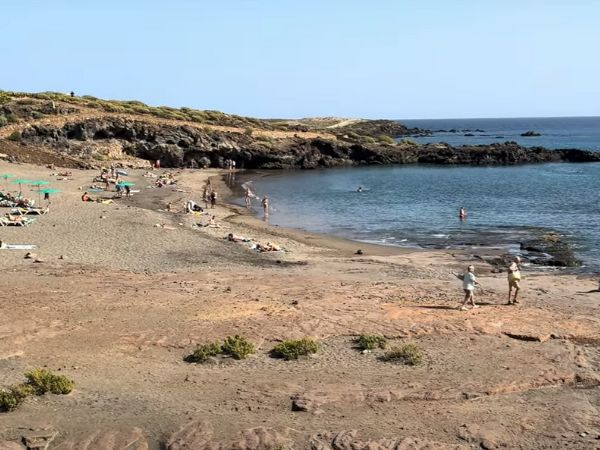
This is a gem for snorkeling lovers. The water is usually clean, and the beach has an easy entry point. Although turtles aren’t as frequent here as in Palm-Mar, you can still come across one occasionally — if you move patiently and respectfully.
The beach is easy to access, has nearby parking, and is a great choice if you’re exploring the eastern side of the island.
🐢 5. La Caleta de Adeje (for divers)
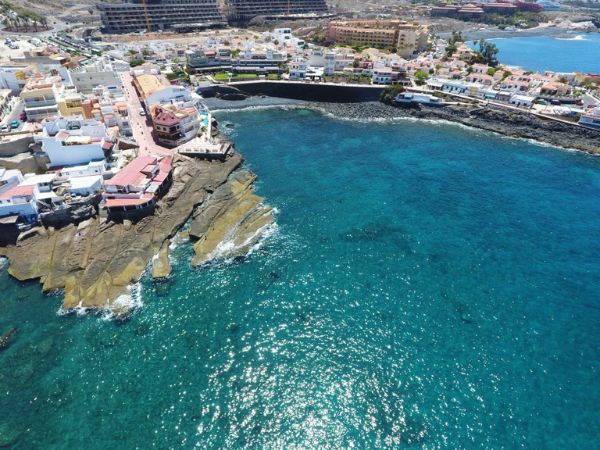
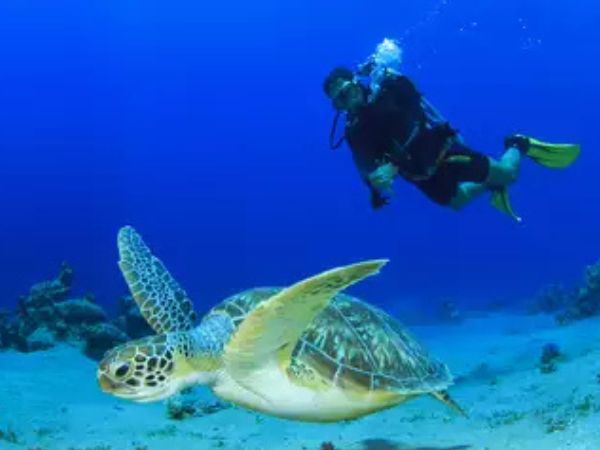
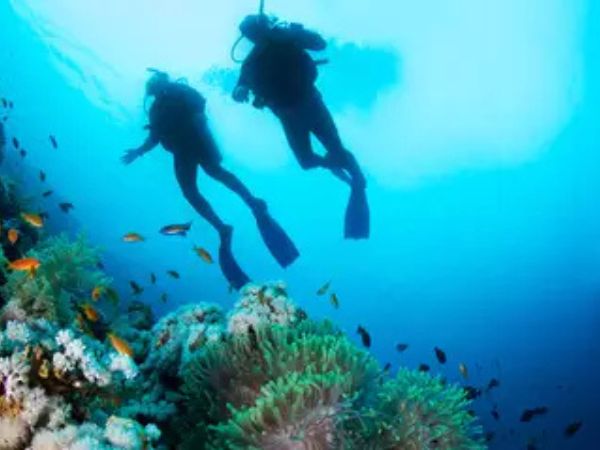
If you’re into scuba diving, La Caleta has several rocky-bottom sites teeming with marine life. Turtles have been seen here often, though usually at greater depths. It’s not the most beginner-friendly spot, but it’s an excellent choice if you’re certified and want to go beyond snorkeling.
What sea turtle species can you spot in Tenerife?
Tenerife is one of the best places in Europe to see wild sea turtles. Thanks to its climate, warm waters, and strategic location in the Atlantic, two main species are frequently seen along the island’s southern coast: the green turtle and the loggerhead turtle.
🐢 Green Turtle (Chelonia mydas): the local star of Palm-Mar
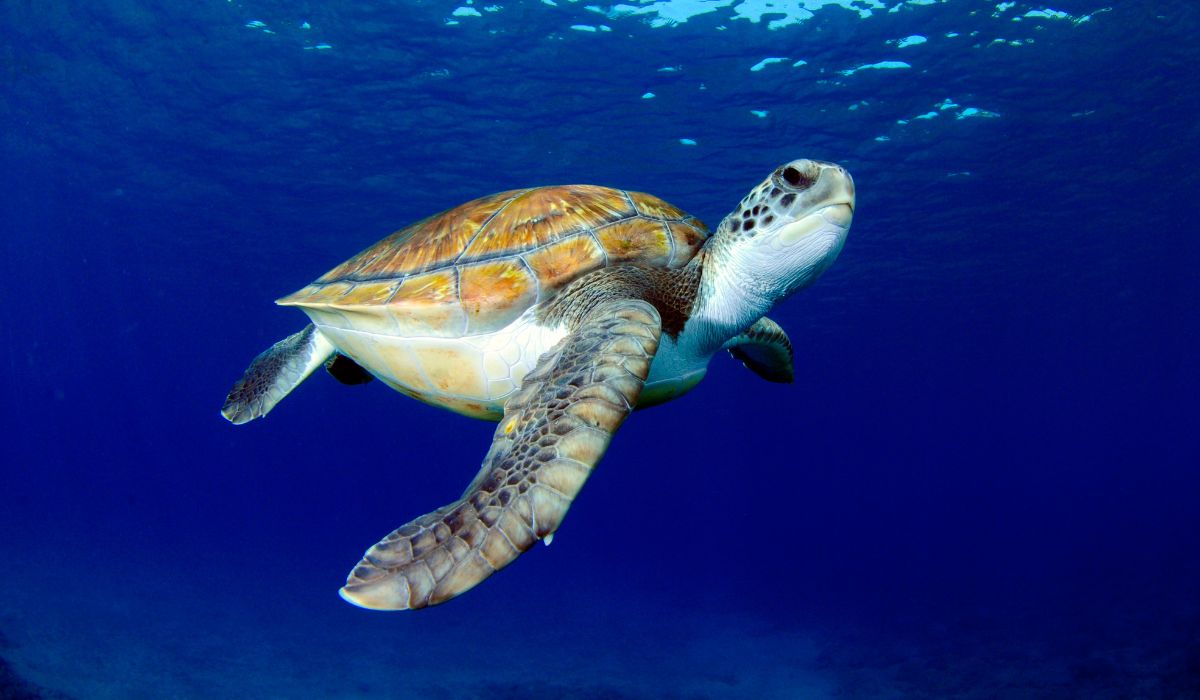
The green turtle is the one you’re most likely to see. If you go on a kayak and snorkel tour in the Palm-Mar area, chances are high you’ll come across one gliding calmly near the seabed or surfacing for air.
How to recognize the green turtle:
It’s the most common species on the southern coast of Tenerife — and it’s impressive when you see one for the first time.
It’s big: it can grow over one meter long and weigh more than 200 kg.
Yet it moves with such grace in the water, it’s like watching a slow, silent ballet.
Its shell shows green, brown, and golden tones, with a unique pattern on each individual.
And believe it or not… it’s vegan. It feeds mainly on algae and seagrasses, which gives its fat a greenish tint — hence the name “green” turtle.
Cool facts:
- It can live over 80 years and travel thousands of kilometers in its lifetime.
- Although it dives gracefully, it needs to come up for air every few minutes.
- It’s peaceful and calm. If you float nearby without making noise or getting too close, it may stay with you for several minutes — as if you weren’t even there.
🐢 Loggerhead Turtle (Caretta caretta): the shy one
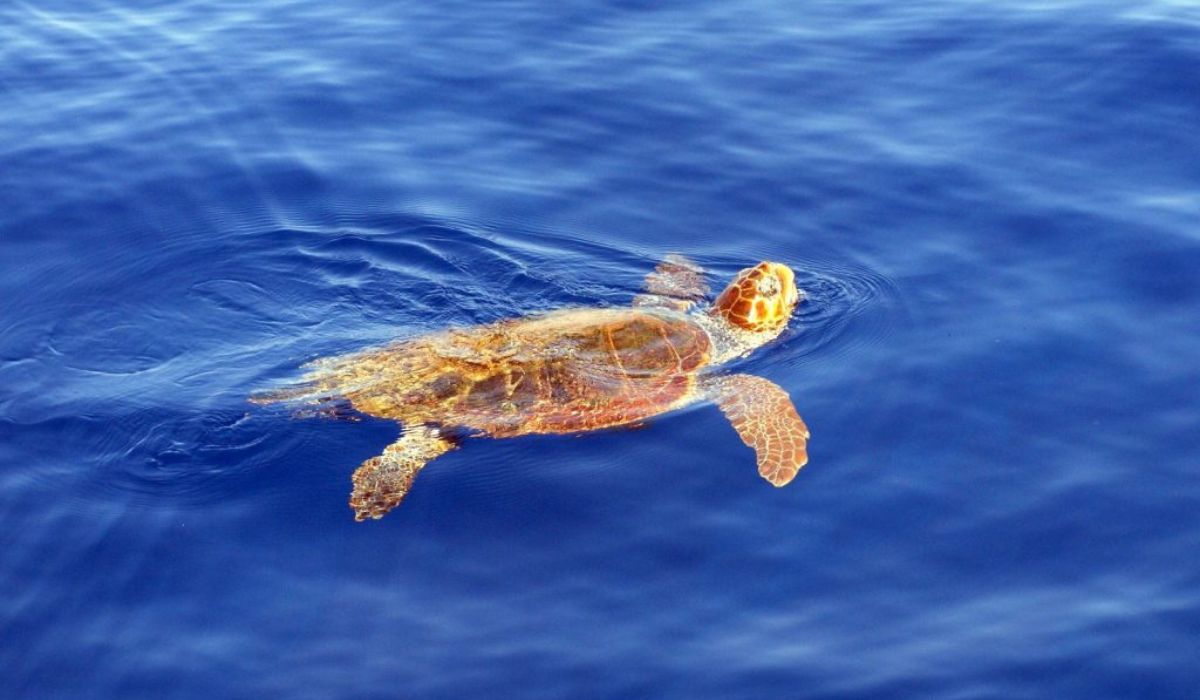
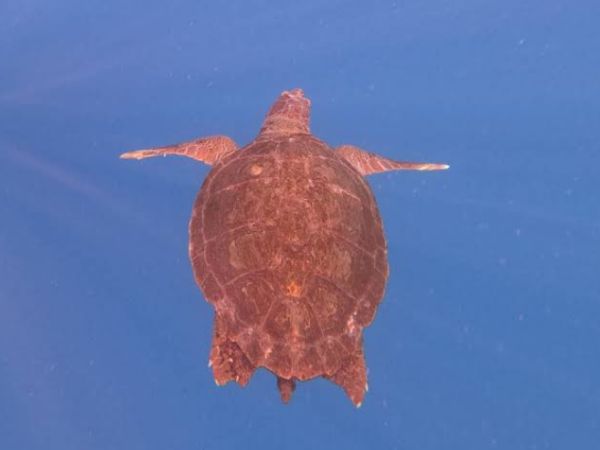
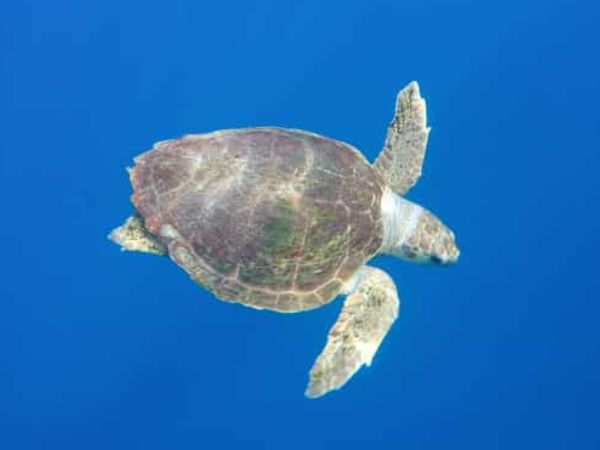
Not as commonly seen, but it’s out there. The loggerhead turtle is more discreet, tends to swim in deeper waters, and is occasionally spotted during boat tours or diving trips.
What’s it like?
It’s less frequent, but no less fascinating.
The loggerhead has a proportionally large head, with a powerful jaw adapted to its diet — hence the name, though “loggerhead” doesn’t quite do it justice.
Its shell is usually reddish or brown, and its body is more compact than the green turtle’s.
Unlike its herbivore cousin, this one goes for protein: it feeds on mollusks, crabs, jellyfish, and other marine invertebrates. Think of it as the one ordering the full-course meal.
Cool facts:
- Its jaws can crush hard shells like paper.
- It’s a true migrant — some cross the entire Atlantic between America and Africa.
- It’s more elusive than the green turtle, but if you spot one in the wild, consider yourself lucky — it’s a rare reward.
🐢 Book online and meet them in person in Palm-Mar 👇
Tips for Watching and Snorkeling with Sea Turtles Responsibly
Seeing a sea turtle in its natural habitat is one of those moments that stays with you forever. It’s exciting, yes—but it’s also a privilege that comes with responsibility. Turtles are wild animals, sensitive to stress and human contact. So if you’re lucky enough to encounter one while snorkeling, follow these tips to make the experience magical for you… and safe for them.
❌ Don’t touch or feed them
It might seem harmless—even affectionate—but touching a sea turtle can stress it out, alter its behavior, or even damage its skin or shell. Feeding them is harmful too: it makes them lose their natural fear of humans, change their diet, and become dependent, all of which can threaten their survival.
Remember: you’re in their home. Observe them, admire them—but don’t interfere.
🧘♀️ Move slowly and quietly in the water
Turtles are curious, but also cautious. If you swim toward them suddenly, they’ll likely swim away or get scared. On the other hand, if you move calmly, with slow, gentle movements and no splashing, they might even approach you out of curiosity.
The trick is to float more than swim, to blend into the environment. The calmer you are, the closer they’ll let you be.
📸 Use cameras without flash
A flash underwater can be very disturbing for turtles. If you’re taking photos or filming video, turn off the flash and focus on capturing the moment naturally—without artificial shocks.
Besides, the best photos often come when you’re fully immersed in the experience, without trying too hard. The beauty of watching a turtle glide through the water needs no filters.
🌊 Always follow your guide’s instructions
If you’re on a tour with a professional guide (like those at kayakpalmmar.com), trust their judgment. They know the routes, the animals’ behavior, and safe distances. They’ll explain how to act if a turtle appears and answer any questions you might have.
Going with a guide adds not just safety—but insight. You’ll understand the ecosystem better, and what makes this place so special.
♻️ A positive impact starts with you
Beyond these tips, think about the impact you leave on the marine environment. Don’t leave trash, pick up floating debris if it’s safe, and use reef-safe sunscreen to protect corals and fish.
Every action matters, and if we all act with respect, turtles will continue to inhabit these waters—so more people can marvel at them in the future.
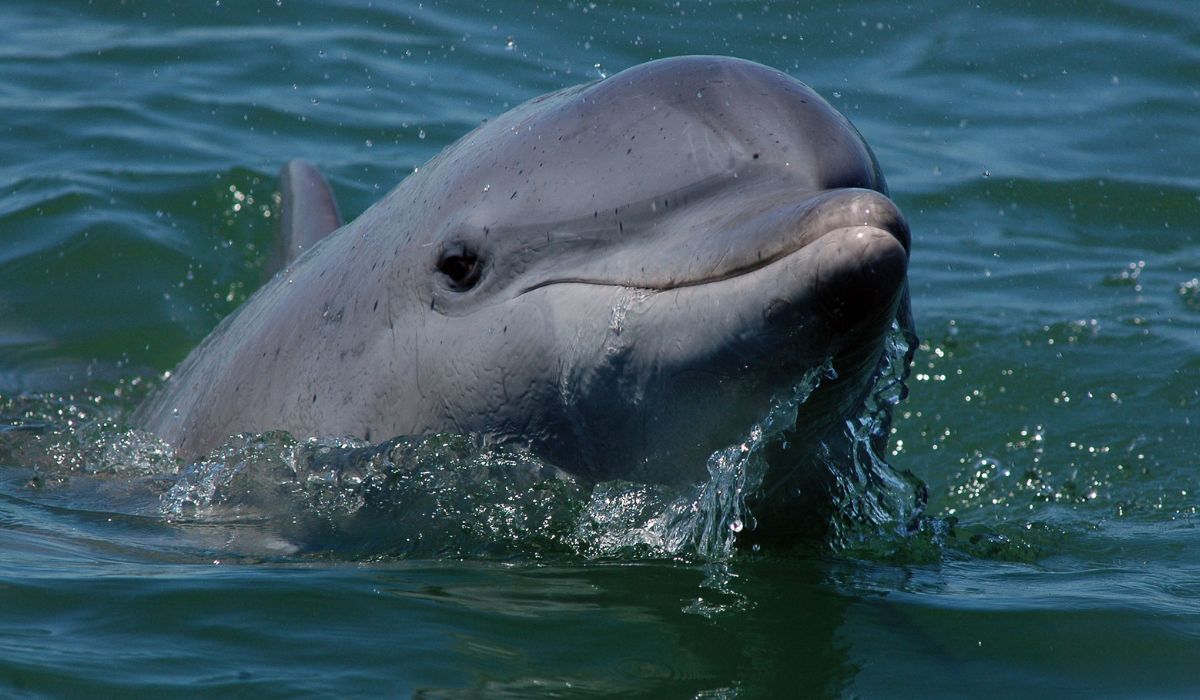
Where to See Dolphins in Tenerife
The best spots on the island to see dolphins by kayak and by boat.